

Post-Traumatic Causes of ED
November 6, 2025
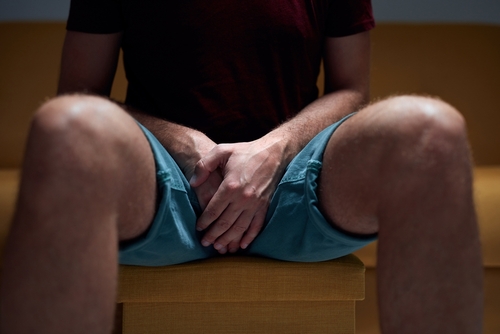
Erectile dysfunction is the inability to get or maintain an erection firm enough for sexual intercourse. While common causes include vascular conditions, nervous system issues and psychological factors, physical trauma is a significant contributor, especially in men under 40. Injuries to the nerves, blood vessels, or structures in the pelvic region, as well as brain or spinal cord damage can directly lead to ED. This includes direct harm to the penis or scrotum.
Achieving an erection is a complex process that involves the brain, hormones, nerves, muscles, and blood vessels. So, there’s a number of injuries (minor to severe) that can disrupt this delicate system of male arousal. Trauma can harm the nerves that send signals from the brain to the penis to start an erection. On the other hand, an injury that damages arteries can result in a “venous leak,” where blood cannot stay trapped in a man’s erectile tissues.
Collectively, more severe physical trauma can sometimes affect how the body produces and releases important hormone production in the testes. Plus, inadvertent damage to the nerves or arteries that are needed to cause an erection can be damaged during pelvic or prostrate surgeries. Moreover, a man can experience an emotional toll from trauma related injuries that can lead to major disappointment in the bedroom. The end result is most often more stress, anxiety, difficulty sleeping, and depression.
Can muscle tightness cause erectile dysfunction?
Yes indeed, overly tight muscles lining the pelvic floor can temporarily cause erectile issues and even difficulty with ejaculation. Anytime these muscles become hypertonic or overactive, they can significantly impact sexual function by restricting the blood flow necessary for achieving and maintaining an erection. For these muscles to function properly, it requires both strength and relaxation. If they remain in a constant state of tension due to stress, anxiety or trauma, it can cause them to constantly clench.
Overuse of Kegel exercises or chronic constipation are common causes of pelvic floor tightness. Plus, surgical injuries or pain from conditions like prostatitis can also contribute to excess muscle tension. In fact, even poor breathing patterns can impact muscles lining the pelvic floor. Moreover, this type of muscle tightness doesn't just affect erectile function, as it can also cause pain during intercourse and maybe linked to other health issues, such as difficulty with urination or chronic constipation.
Certain physical activities such as heavy lifting, intense squatting, and cycling may contribute to pelvic floor tightness, particularly when performed with poor form or excessive intensity. A professional provider can diagnose the specific cause of muscle tension and develop a personalized treatment plan that may include targeted relaxation techniques, specific exercises, or working directly with a pelvic floor physical therapists using interventions designed to restore muscle function in that region of a man’s body.
Key Injury-Related Causes of ED
Many types of physical injuries for both work and play can cause or contribute to erectile dysfunction. Fact is that the same mechanisms needed for physical exertion throughout the day can greatly impact muscles in the pelvic region. In addition, physical trauma in that region can cause ED by affecting many of the vascular, nerve and tissue structures, which are essential for a healthy erection. Moreover, chronic pain resulting from trauma can increase cortisol levels that suppress testosterone production and affect a man’s libido and erectile quality.
- Pelvic Fractures: A pelvic fracture is a break in one or more of the bones that form a man’s pelvis. It is a ring-shaped structure located at the lower end of the spine that supports and protects vital organs like the bladder. Pelvic fractures are most often caused by high-impact trauma, such as sports injuries, auto accidents or falls from heights. The severity of symptoms very but can include numbness, groin pain, poor bladder control, or swelling around the pelvis. Tiny cracks caused by repetitive stress are common in runners and cyclists over years of training. Treatment and recovery from pelvis fractures depend on the severity of the injury and the therapy needed to regain strength and restore normal functions.
- Spinal Cord Injuries (SCI): Erections depend on a complex interaction of nerve signals traveling between the brain, spinal cord, and penis. A spinal cord injury can disrupt these crucial pathways, leading to ED. The specific impact on sexual function is determined by the level and severity of the injury. For instance, injuries to the sacral segments of the spine are strongly linked to erectile dysfunction, as these nerves are responsible for reflex erections. Depending on the nature of the injury, both brain-based arousal and arousal from genital stimulation can be affected. However, many men still experience orgasms and a men's sexual health specialist can help assess the impact of the injury and develop a personalized management plan.
- Penile Trauma: A penile fracture isn't technically a broken bone, as there are no bones in the penis, but it is a serious form of penile trauma. It is, on the other hand, considered possible to "break" your penis if it's forcefully bent or hit during an erection. However, this is a medical emergency and one that requires immediate attention. Severe penile damage can happen when the protective tissue layer (tunica albuginea) that surrounds the penis's erectile tissues (the corpora cavernosa and corpus spongiosum) tears. Penile trauma of this nature can cause ED as the nerves and arteries responsible for an erection can be damaged. In most cases, surgery may be necessary to repair the damage to penile tissue.
- Traumatic Brain Injury (TBI): Traumatic brain injuries can significantly impact sexual health, with erectile dysfunction being one of the most frequently reported complications. Research shows that between 40% and 60% of men experience ED following a brain injury, making it a critical concern for both patients and healthcare providers. When the brain sustains injury, it can disrupt the neurological pathways that control sexual function, as well as the regions responsible for arousal that can create imbalances and hinder testosterone production. This combination of neurological and hormonal disruption can lead to both decreased libido and the physical inability to achieve or maintain an erection.
- Perineal Trauma: The perineum, an area between the scrotum and anus, plays a crucial role in erectile function. Perineal trauma and damage to this region can lead to erectile dysfunction through several mechanisms. For example, prolonged cycling on narrow seats can compress nerves and arteries that can cause temporary genital numbness and even long-term issues with erectile function. Straddle injuries can specifically damage the pudendal nerves and cavernosal arteries in the perineal region. These injuries may also lead to scar tissue formation in the penile shaft, as seen in trauma-related Peyronie's disease. The underlying problem in cases of perineal trauma is the disruption of needed blood flow to the penis.
- Iatrogenic Injury: Medical treatments are designed to heal, but sometimes they can unintentionally cause harm, which are known as iatrogenic injury. Unlike conditions that develop naturally or from unknown causes, iatrogenic injuries are directly linked to medical interventions. These can range from medication side effects to surgical complications. For example, nerve damage during prostate surgery, hospital-acquired infections, or allergic reactions to prescribed drugs all fall under this category. A particularly concerning pattern is cascade iatrogenesis. This is where one medical intervention causes complications that require additional treatments that then leads to a domino effect, especially in elderly men.
A qualified men's sexual healthcare provider can properly diagnose injury-related ED and identify its root causes. Treatment options vary depending on the underlying cause. For example, some clinics like GAINSWave Jacksonville offer innovative, non-invasive treatment options like low-intensity focused shockwave therapy (LiSWT). This non-invasive procedure uses sound waves to improve blood flow to the penile area. While results typically take about two months to become apparent, many patients experience significant improvement.
Misconceptions About Injury-Related ED
Several myths surround erectile dysfunction that occurs after a traumatic injury, or simply from physical abuse related to overuse of a key body component, such as too much time spent each day in the saddle of a road bike or exercise machine. So, let's see if any of these may be related to your current erectile problems:
Myth 1 – The damage is always permanent.
Fact is: While some severe injuries can cause lasting problems, many cases of injury-related ED are very treatable. With proper medical care and rehabilitation, function can often improve over time.
Myth 2 – It's purely a physical problem.
Fact is: ED after an injury is frequently a mix of physical and psychological issues. Addressing mental health concerns like stress, PTSD, and depression through counseling is a crucial part of recovery.
Myth 3 – It only happens to older men.
Fact is: Although ED becomes more common with age, physical trauma can cause it in men of any age. An estimated one in ten men will experience ED at some point, regardless of how old they are.
Myth 4 – Low testosterone is the main cause.
Fact is: While low testosterone can be a factor, it is rarely the sole cause. Nerve damage and vascular issues are the more common culprits. Low-T is more closely linked to a decrease in sexual desire (libido) than the physical inability to achieve an erection.
Myth 5 – Lifestyle changes don't matter after an injury.
Fact is: Lifestyle still plays a vital role. A healthy diet, regular exercise (as cleared by a doctor), and quitting smoking can improve circulation and overall health, which can aid recovery and enhance the effectiveness of treatments.
Myth 6 – A fulfilling sex life is no longer possible.
Fact is: With open communication, professional guidance from healthcare providers or sex therapists, and exploring alternative methods of intimacy, many men can still enjoy a satisfying sex life even after more severe injury.
If you are experiencing recurring episodes of erectile dysfunction, talk to a primary care physician or your men’s sexual health specialist. A professional can accurately diagnose ED by identifying its cause, and will recommend the best treatment options based on your specific needs. A provider who specializes in conditions that affect your sexual well-being can help determine if your body is simply trying to tell you that something isn’t right, like an overly-exuberant cycling routine with too much time in the saddle each day.
________________________
In most cases, it is important to have open conversations with both your healthcare provider and your partner. While some underlying causes may not have permanent cures, numerous effective treatment options can help men achieve and maintain erections suitable for sexual intercourse. For starters, focus on the benefits of regular exercise, healthier foods and cutting back on abuse of substances that can physically hinder (e.g., whiskey dick) normal erectile function. Dr. Earl Eye has over fifty years of experience with specialties in infectious disease, internal medicine, endocrinology, diabetes, pulmonary disease, and age management. To make an appointment with a dedicated physician whose men’s health practice relies on the latest diagnostic and treatment protocols, call (904) 500-5500.

