

When ED Meds May Not Be Safe
January 28, 2026
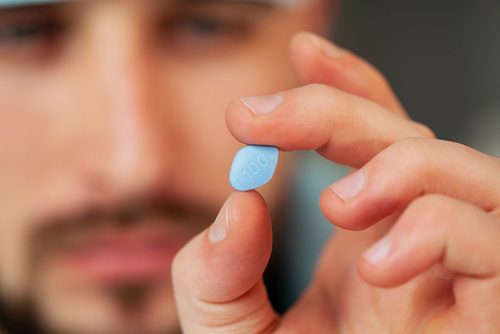
While popular medications for erectile dysfunction like Viagra (sildenafil) and Cialis (tadalafil) are safe for men in most situations, they can pose dangers for men with high-risk medical conditions or when combined with certain substances. Additionally, men ages 65 years and older, as well as those with specific heart, liver or kidney problems, may be at a higher risk of experiencing side effects. Typically men of all ages are able to tolerate ED medications, but it’s recommended for older adults to start with a lower dose.
However, ED is a very common men’s sexual health issue that is defined by the inability to achieve or maintain an erection firm enough for sexual intercourse. With that said, short-term (or every-now-and-then) erectile issues seldom require treatment. As men age and life’s responsibilities intensify, some can get an erection, but just not every time or at the drop of his pants. Other men may be able to get an erection that simply doesn’t last long enough while others may be unable to get one at all.
For couples dealing with a man’s erectile issues by not having sex, the emotional pain associated with a lack of sexual intimacy should be addressed by maintaining open and honest communication. Best of all, ED is considered highly treatable. In fact, it is rarely a problem that the man has to live with as there are multiple treatment options available to restore sexual performance. After a thorough examination and an accurate diagnosis, the vast majority of men quickly experience better overall physical and mental health.
Erectile dysfunction is so common that statistics say it will affect half of the men ages 40 to 70 years old. Since instances involving a sexual letdown can cause significant embarrassment, it is a good time to schedule an appointment with a men’s health specialist if problems persist. After all, ED can indicate more serious underlying health conditions like diabetes or heart disease, plus addressing sexual health issues early means the man can enjoy a more self-fulfilling life. Unfortunately, if not addressed in a timely manner, ED can negatively affect a man’s performance and may lead to psychological pain with damage to his self-esteem as well as the couple’s relationship.
How PDE5 inhibitors can help...
Following a men’s sexual health exam and a diagnosis of erectile dysfunction, oral medications are often the first line of defense for treating symptomatic ED. For starters, the most common physical causes of ED are related to vascular issues and blood flow. Not surprisingly, the oral medications used today were originally developed to treat cardiovascular concerns. In a clinical study of heart patients, who were taking phosphodiesterase type 5 inhibitors, a dozen men who also suffered from ED reported healthy erections as a positive side effect of PDE5.
PDE5 inhibitors enhance a chemical called nitric oxide in the body. This chemical relaxes muscles in the penis to boost blood flow, helping men achieve an erection suitable for sexual intercourse. Drugs like sildenafil or tadalafil help by blocking the PDE5 enzyme that breaks down a molecule that relaxes smooth muscles in the penis as well as dilates blood vessels. To prevent degradation of these enzymes, ED medications enhance penile artery flow, reduce hypertension, and lower blood pressure in the lungs.
Which PDE5 Inhibitor Works Best?
There is no single best PDE5 drug for treating symptoms of erectile dysfunction, as the ideal choice depends upon the man’s specific needs. In general, there are four oral drugs that are commonly prescribe to treat ED, but while they work similarly, there are some key differences. For example Cialis (tadalafil) is often favored for its longer duration of up to 36 hours, while Viagra (sildenafil) offers quick action in about 30 minutes but needs to be taken on an empty stomach, so you may need to wait after eating before diving in.
Two additional options for treating symptoms of ED include Levitra (vardenafil) and Stendra (avanafil) both of which provide a faster onset after taking the medication but result in less duration. Common side effects like flushing, headache, upset stomach, or back pain are typically manageable and your doctor may make dosage adjustments. More serious side effects can include ringing in ears, vision issues or prolonged, painful erections. Nonetheless, key factors normally include speed of onset, duration, food interactions, and cost.
ED Medications May Not Be Right for You
For starters, ED medications may fail if the man’s erectile dysfunction is caused by hormonal imbalances, such as low testosterone production*, psychological factors, or when taken incorrectly like with a high-fat meal. In addition, ED medications may not be right for you, if you have certain medical conditions, take specific medications, or are simply dealing with issues that these drugs cannot resolve. For some, ED drugs can be dangerous or even life threatening, such as men with unstable angina where extreme caution is needed.
Other medical contraindications that may require careful consideration of alternative treatment options include cardiovascular issues, such as a stroke or heart attack in the past six months. Uncontrolled high blood pressure or very low blood pressure are both concerns to be addressed with your doctor, as are organ failure, severe liver disease or kidney failure requiring dialysis. Moreover, there if you have an inherited eye diseases like retinitis pigmentosa or have a history of sudden vision loss, PDE5 inhibitors may not be your best solution for treating ED.
Unfortunately, ED medications can interact fatally with other prescription drugs. Dangerous drug interactions include a drastic drop in blood pressure when ED meds are taken with nitrates like nitroglycerin that may be prescribed to manage chest pain. Additionally, drugs use to treat high blood pressure or an enlarged prostrate can cause blood pressure to drop to dangerously low levels. Other inhibitors like antifungals or HIV drugs can prevent your body from processing the ED drug, which can lead to toxic levels in your bloodstream.
*NOTE: Although low-testosterone can contribute to erectile dysfunction by lowering a man’s sex drive (libido), in some cases it can directly affect a man’s ability to achieve an erection. However, low-T is rarely the sole cause of ED as the sexual disorder is more commonly linked to vascular, nerve or psychological factors.
Why taking ED pills didn’t work...
It is estimated that PDE5 inhibitors fail to correct erectile issues in about one third of cases, so ED meds are not a “magic bullet”. Moreover, PDE5 drugs are not an aphrodisiac and cannot increase sexual attraction, desire, pleasure or behavior. In fact, PDE5s can only improve conditions for better penile blood flow but generally do not cause an erection without sexual arousal. These drugs can, however, increase both the frequency and quality of involuntary nocturnal erections during sleep that are not linked to conscious arousal. Here are some key details:
- Lack of Arousal – PDE5 inhibitors smooth penile tissue to enhance the man’s blood flow but they do not increase his desire to have sex. So, if the dysfunction is due low libido or lack of sexual attraction, pills won’t help.
- Mental Barriers – Psychological barriers like significant stress, depression or performance anxiety can easily override the effects of erectile dysfunction medications. Plus, relationship issues can also override the pharmacology.
- Physical Damage – Physical damage affecting nerve, vascular, or muscle tissue can reduce the effectiveness of PDE5 inhibitors. A prostatectomy can severely damage cavernous nerves essential for erections.
- Hormonal Imbalances – In addition to low testosterone (hypogonadism), many underlying conditions like uncontrolled diabetes, hypertension, and bad cholesterol numbers can prevent the drug from working.
- Lifestyle Factors – Smoking can harm the body’s physiological systems that ED drugs are designed to support. Plus, too much alcohol consumption or eating a heavy high-fat meal can further block the absorption of PDE5.
- Drug Tolerance – Clinical evidence suggest men do not develop a true pharmacological tolerance to PDE5 drugs, where the body becomes immune, but many do experience a reduction in effectiveness over time.
Even if PDE5 inhibitors are safe for you to take, these medications may not be right for you. Some men hate the persistent or intolerable side effects, including headaches, severe nasal congestion, feeling flush, muscle pains, or changes in vision or hearing. If you would like to explore options for non-medication treatments of ED, Dr. Earl Eye at GAINSWave Jacksonville can conduct a thorough exam, diagnose the cause, and suggest alternatives like non-invasive extracorporeal low-intensity shockwave therapy that helps to break down plaque to improve penile blood flow without medications.
_________________________
If you’re unsure as to whether or not you should consider taking ED medications like a PDE5 inhibitor, it is generally best to stay on the safe side. After all, there are both contraindications and a few side effects that can be dangerously harmful to a man’s health. An experienced men’s sexual health specialist like Dr. Earl Eye can help determine your best treatment options tailored to your unique needs. Most often, erectile issues are caused by stress, tiredness, emotional concerns, or lifestyle issues like drinking too much alcohol. For the most up-to-date personal advice, schedule a consultation with Dr. Eye and his team at GAINSWave Jacksonville today by calling (904) 500-5500.

